
The Dr. Pradyumna P. Karan Memorial Lecture Series at the University of Kentucky honors the doctoral program that professor Pradyumna P. (P.P.) Karan launched in 1968.
The recipient of the Dr. Pradyumna P. Karan Memorial Lecture Series in Geography is selected by the graduate students in the Department of Geography at the University of Kentucky to honor the doctoral program that Professor P.P. Karan launched in 1968. Supported by an initial donation by the family of Professor Karan, this memorial lecture series is meant to serve the graduate program and the department in perpetuity.
For more information on the Series itself, please visit: Dr Pradyumna P. Karan Memorial Lecture Series in Geography.
Schedule of Events, Friday, Feb. 13, 2026:
- A Friday afternoon talk by Dr Abdul Aijaz, Indiana University, at 3 p.m. in Gatton B&E 191. Read more about the lecture here.
- A reception at the Commonwealth House of the Gaines Center for the Humanities immediately following the lecture.
The inaugural speaker for the Dr. Pradyumna P. Karan Memorial Lecture is Dr. Abdul Aijaz from the Indiana University!
Factional Ecologies: Environmental Imagination and Hydrosocial Futures in Punjab
by Dr. Abdul Aijaz
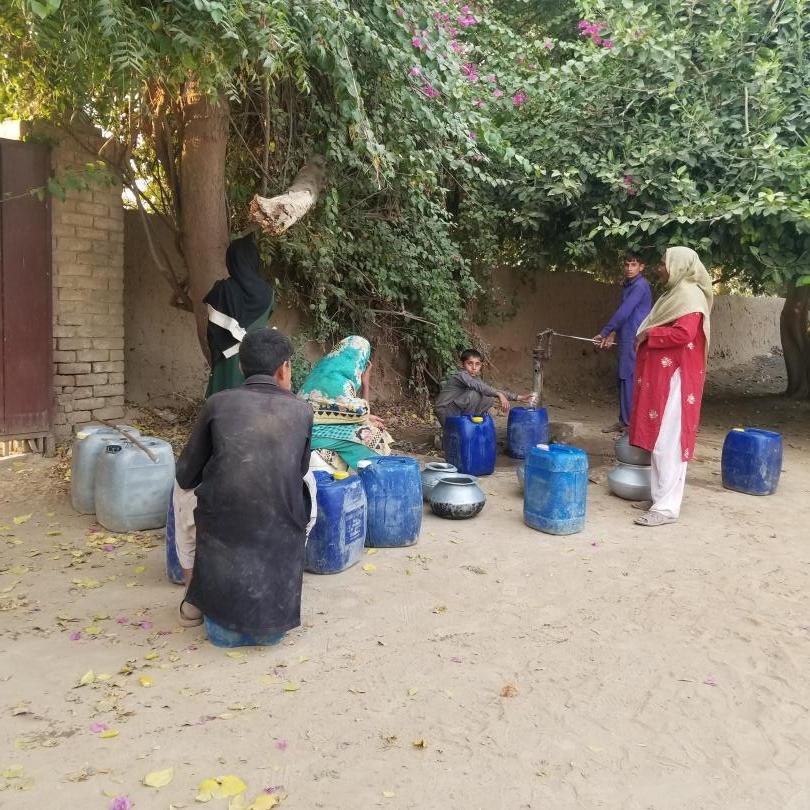
In this talk, I examine how environmental imagination, political contestation and ecological transformation intersect in the canal-irrigated landscapes of Punjab amid a global environmental crisis. By tracing the competing claims, uneven power relations and fractured visions of ecological futures that shape Punjab’s hydro-social assemblage.
I show how material and narrative infrastructures of development and crisis converge to produce both material ecologies and imaginaries of abundance, scarcity and decline. Reading literary texts, oral histories and everyday narratives alongside archival records and hydrological interventions, I demonstrate how environmental imagination mediates lived experiences of infrastructural power.
Situating hydro-social futures within these contested imaginaries of place and people, I argue that Punjab’s ecological crisis demands attention to the cultural and political work through which water is rendered legible, governable and morally and materially charged. Using factional ecologies as a conceptual framework, I highlight the plurality of ecologies in struggle, where historical legacies and imaginative practices shape the possibilities of hydro-social futures and environmental justice.
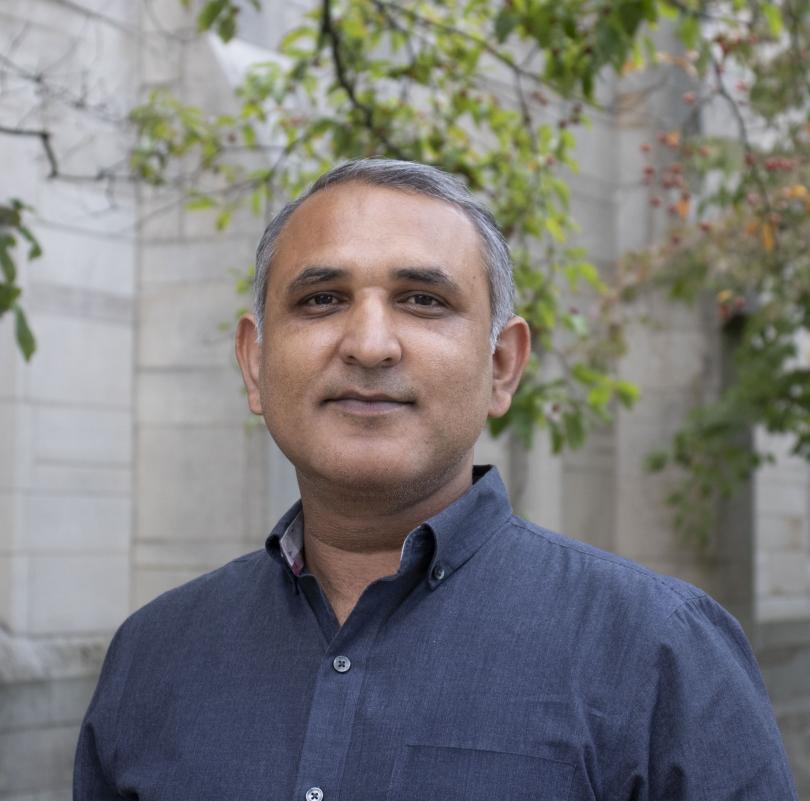
Dr. Abdul Aijaz is a human geographer whose research brings together political ecology, environmental humanities and literary geographies to examine the entanglements of narrative, infrastructure and ecological crisis. He explores how global discourses of climate change are lived, contested and reimagined in the canal colonies of Punjab, Pakistan, an area shaped by the world’s largest contiguous irrigation system and a legacy of colonial hydrological engineering.